
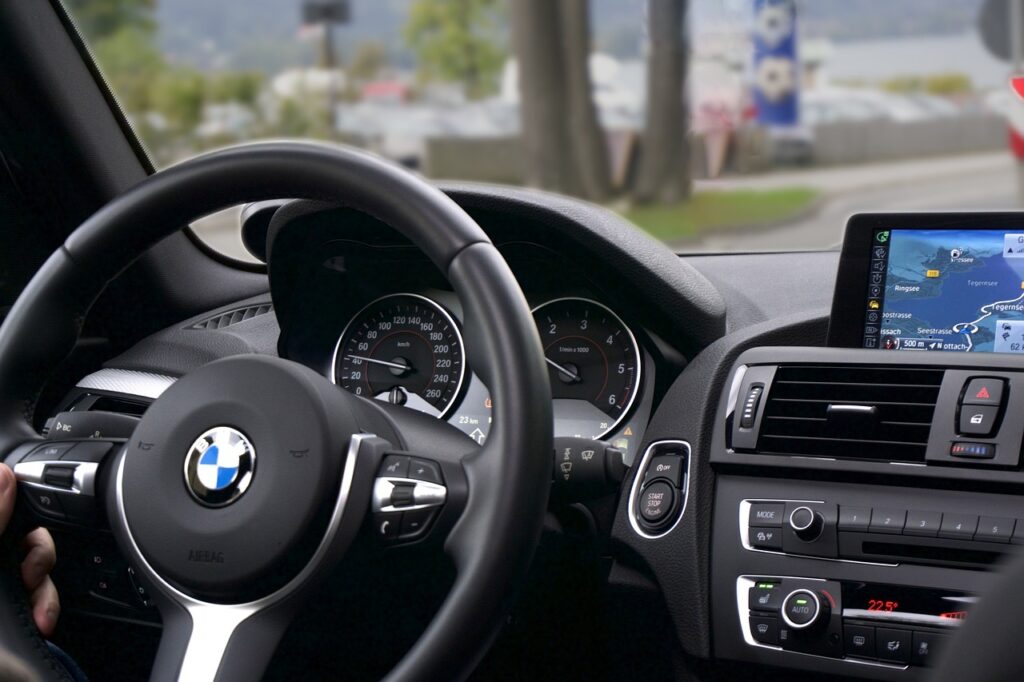
Luxury cars have always been more than just vehicles — they are a statement of taste, technology, and lifestyle.
In 2025, the luxury automobile market is not just about speed and comfort . It’s about sustainability, digital innovation, autonomous technology, and emotional connection with the driver.
From the timeless craftsmanship of Rolls-Royce to the cutting-edge technology of Tesla and Mercedes, luxury cars today blend art and engineering like never before.
In this article, we’ll explore the Top 5 Luxury Cars of 2025, based on:
- Design & craftsmanship
- Performance & technology
- Comfort & interior quality
- Innovation & sustainability
- Overall driving experience
Top 5 Luxury Cars in 2025
Here are my selections for the top luxury vehicles of 2025, not in any particular order:
- Rolls-Royce Spectre
- Mercedes-Maybach S-Class
- Bentley Continental GT (Speed / new hybrid)
- BMW i7 (especially the M70)
- Tesla Model S Plaid
Let us see each one’s advantages, disadvantages, and features.
1. Rolls-Royce Spectre
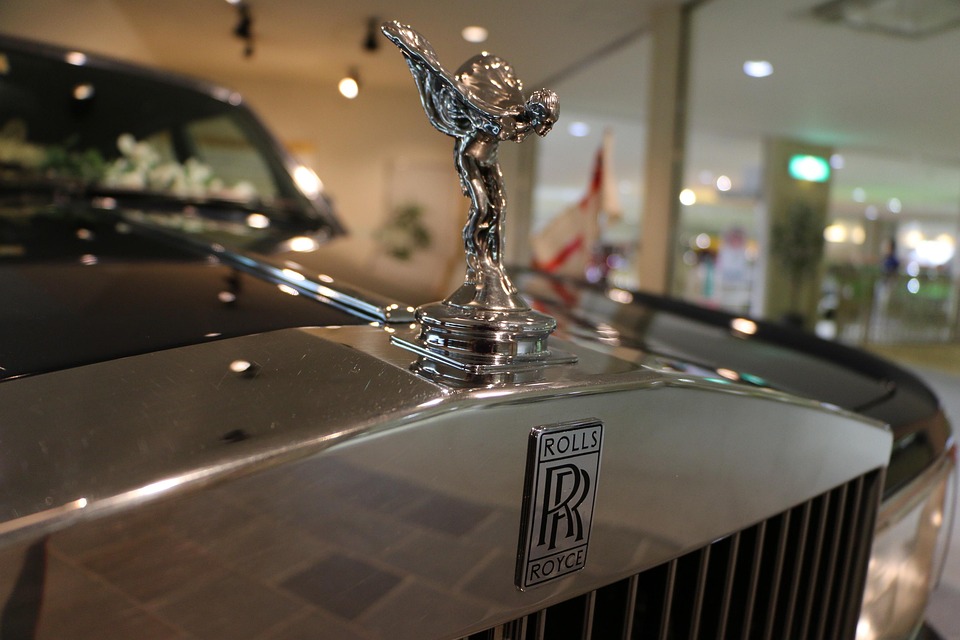
Rolls-Royce concluded that electric drives will dominate ultra-luxury in the future, not only due to regulations but also because the silent smoothness of electric drives aligns with Rolls’ values. Many people believe that the Spectre, the company’s first entirely electric vehicle, redefines what a luxury grand tourer in the EV era can be.
- Electric powertrain with two motors: about 577 horsepower and 664 lb-ft of torque (standard)
- The Rolls-Royce Automobiles Rancho Mirage +2 With sportier tune, the “Black Badge” model boosts power higher (around 650 horsepower and 793 lb-ft).
- Vehicle and Driver WLTP/EPA-range estimates fall within the 260–320 mi class (~ 321 mi WLTP). Fiber-optic “Starlight” ceilings, fine materials, fully customized options, and impeccable attention to detail.
Important details and attributes
- It is supported by the “Architecture of Luxury” platform, which is shared by other high-end models and indicates excellent structural fineness.
- Despite its speed, the Spectre is not about raw, visceral speed. Delivering power with poise, quiet, and that recognizable “magic carpet ride” is the goal. Due to the lack of engine noise, acoustic insulation, sophisticated suspension, and subtle chassis tuning provide richer driving experiences and road feedback. Challenges and trade-offs Because of the heavy weight (from the batteries and upscale amenities), dynamics management requires careful balancing. Range anxiety and charging infrastructure are still important, particularly in some areas. Cost: Because it is bespoke and built in small quantities, it is very costly.
- Why it gets a spot: Because Spectre demonstrates the evolution of true luxury. It is a fully dedicated EV that yet embodies Rolls-Royce’s DNA of serene, sophisticated power. It offers a preview of ultra-luxury mobility in the future.
2. Mercedes-Maybach S-Class
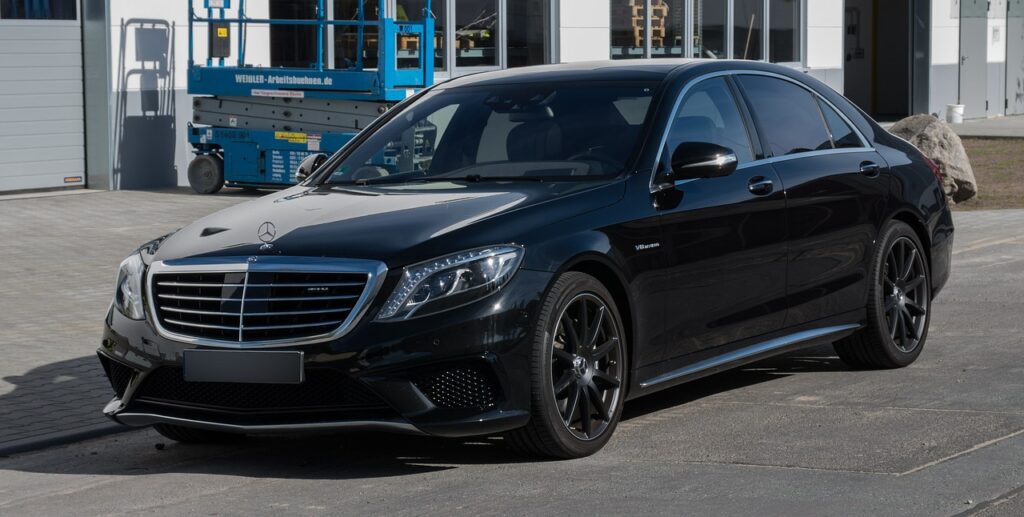
Maybach is all about understated elegance with every comfort imaginable, whereas Rolls-Royce is all about extravagant luxury. The Mercedes-Maybach S-Class, and particularly the S680, is the epitome of luxury, technology, and subdued power in the backseat.
Important details and attributes
- The V12 S680 is the best option among the base Maybach S-Class vehicles, which start in the upper six-figure range.
- Vehicle and Driver The 6.0L twin-turbo V12 engine that powers the S680 generates 621 horsepower.
- Vehicle and Driver The V12 version can go from 0 to 60 miles per hour in about 3.7 seconds.
- Vehicle and Driver Air suspension, active noise suppression, soft-close doors, and extensive sound insulation make this cabin incredibly quiet.
- Vehicle and Driver Focus on the backseat: massage-equipped reclining seats, tablet controls, ventilation, two 11.6-inch rear entertainment screens, ambient lighting (64 colors), and a system of air purification and aroma.
- Vehicle and Driver Despite its small, it has rear-wheel steering for better maneuverability.
- Vehicle and Driver Character and driving experience
The Maybach S-Class is a moving cocoon rather than a dynamic sedan. Its ride is designed to be smooth: passengers will feel detached from the outside world, bumps will be swallowed, and tire and wind noise will disappear. This area is the most serene if you are being driven, or perhaps being chauffeured.
Challenges and trade-offs Its size and weight limit its agility, so instead of pushing it, curl up and enjoy. The V12’s fuel consumption is not negligible; comfort comes before efficiency. The cost of ownership and maintenance (parts) is substantial.
Why it gets a spot
Nobody is better at rear-seat luxury. The standard for “how fantastic it can feel to be transported” is the Maybach S-Class. It is a throne on wheels for executives, dignitaries, or anybody who prioritizes comfort.
3. Bentley Continental GT (Speed/New Hybrid):
Why it is appropriate
- Bentley has always been about combining performance and style;
- it is a car for people who want to drive, not just chauffeur.
- In 2025, the Continental GT—particularly the Speed or the upgraded hybrid model—maintains that spirit.
- Important details and attributes In order to meet emissions regulations and maintain performance, the most recent 2025 Continental GT Speed has shifted from a pure W12 to a hybrid drivetrain (Ultra Performance Hybrid V8 + battery).
- In the new hybrid Speed model, the output is around 782 PS (metric horsepower).
- The Speed version can reach 62 mph (0-100 km/h) in roughly 3.2 seconds.
- Wikipedia Additionally, it keeps the sweeping lines, big grille, quilted upholstery, and hand-crafted metal and wood accents that are hallmarks of Bentley’s design.
- Advanced driver assistance systems, adjustable suspension, spinning infotainment screens, and custom finish options are examples of cabin technologies.
Character and driving experience
- The goal of the new hybrid system is to provide you with both the linear power of internal combustion and the quick torque of an electric motor.
- It can accelerate quickly while still navigating turns gracefully.
- At its core, it is a grand tourer, comfortable on extended trips while meeting the needs of passionate drivers.
Challenges ( trade-offs)
- The additional complexity of the hybrid may result in maintenance expenses or difficulty.
- Weight is always an issue, particularly when it comes to structural reinforcement and batteries.
- In harsh situations, it could not feel “as pure” as a specialized EV or a lighter sports car.
Why it gets a spot
- because it strikes a balance between passion and elegance.
- It is a soulful car that you would want to drive rather than just look . Additionally, Bentley is demonstrating in 2025 that luxury may change (via hybridization) without losing its essence.
4. BMW i7 (M70)
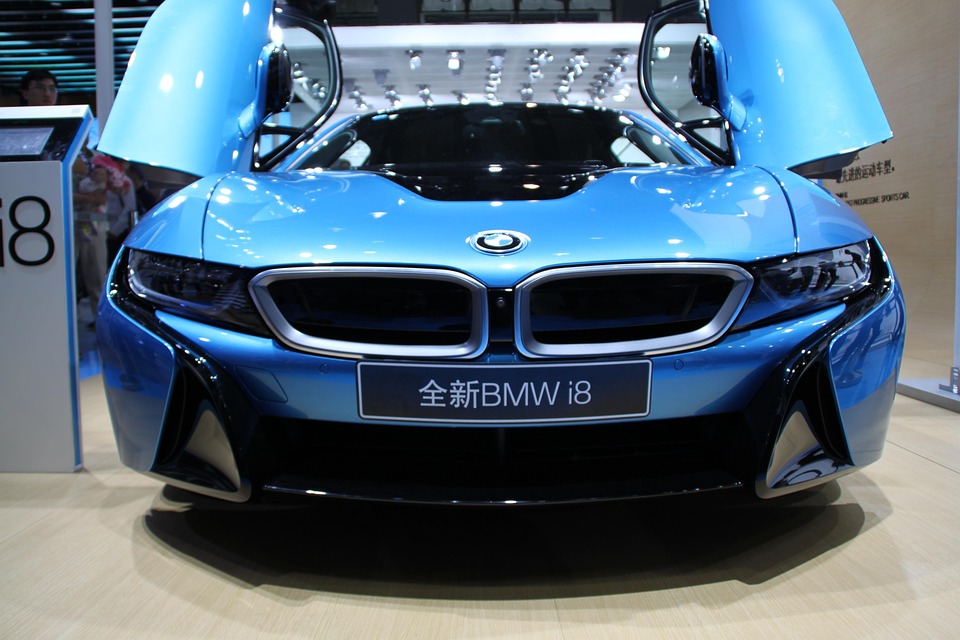
– The Confluence of Luxury and Technology Why it is appropriate
The i7 is the electrified version of BMW’s flagship 7-Series. Particularly, the i7 M70 model positions itself as a performance halo in addition to a tech-luxury sedan. It epitomizes the direction of contemporary luxury: intelligent, nimble, and electric.
Important details and attributes
- The i7 M70 pushes ~ 650 hp (dual motors) with about 749 lb-ft of torque. BMW USA+2BMW USA+2
- 0–60 mph in around 3.5 seconds. BMW USA
- Range estimates vary by model: lower trims go ~ 296–314 miles (depending on variant) BMW USA
- Rear-seat luxury: reclining, heated, ventilated and massaging seats, ambient lighting, high-end audio (Bowers & Wilkins), 31-inch 8K theater screen for rear passengers. BMW USA
- Advanced features: BMW Operating System 8.5, cloud-based navigation, gesture & voice control, automatic doors, driver assistance suites.
BMW Character and driving experience
- The i7 provides both aggressive handling and calm driving in equal measure thanks to its quick torque, quiet operation, and electric vehicle-specific chassis. It combines the tranquility one anticipates from a prestige sedan with the aggressive chassis tune for which BMW is renowned.
Challenges ( trade-offs)
- Despite being strong and opulent, range and charging are still important factors in some regions. Software bugs can ruin an experience, so there are high demands on the dependability of electronics and software.
- Advanced systems may be more expensive and require more maintenance.
Why it gets a spot
- because it demonstrates that luxury, technology, and performance do not have to exist in distinct silos. The i7 is the type of vehicle that epitomizes contemporary luxury, not only in terms of materials but also in terms of how intelligent, connected, and responsive everything feels.
5.Tesla Model S Plaid:
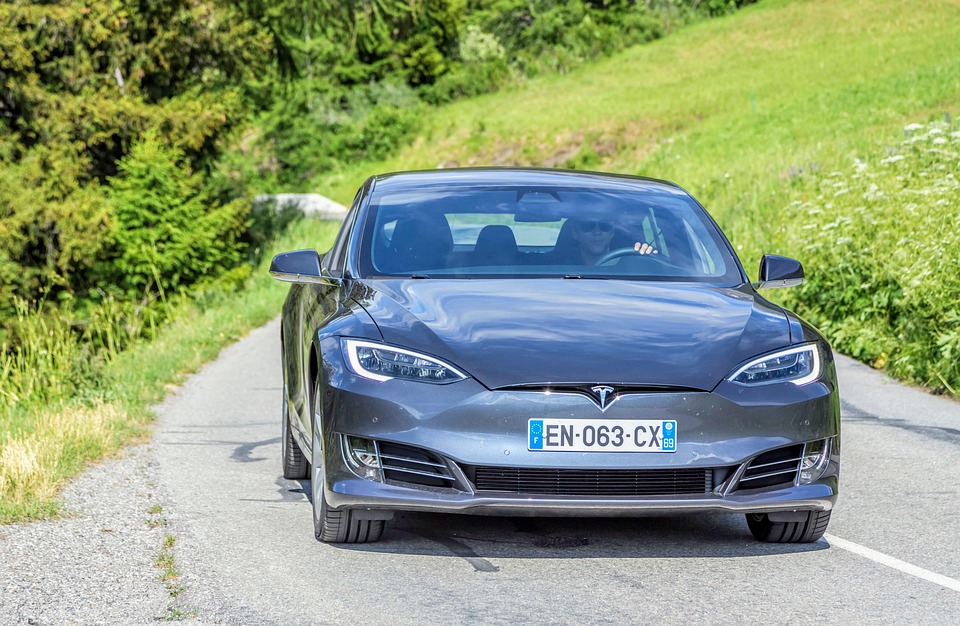
A Reimagining of Performance Luxury Why it is appropriate
Tesla may not wear the “conventional” luxury badge, but the Model S Plaid has made a name for itself by fusing cutting-edge software, electric status, and lightning-fast performance. It is a high-end vehicle for both tech enthusiasts and speed enthusiasts.
Important details and attributes
- electric powertrain with three motors that generates about 1,020 horsepower (760 kW).
- One of the fastest production sedans ever, it can go from 0 to 60 miles per hour in 1.99 seconds.
- Maximum speed: about 200 mph (322 km/h).
- for the 2025 Plaid variant, about 348 miles (EPA).
- Edmunds + HEPA filtration, rear entertainment screens, a 12.3″ driver display, a big 17″ central touchscreen, and over-the-air upgrades are all features of the minimalist interior design.
- Software prowess: robust ecosystem, continuous feature upgrades, and the ability to operate on autopilot or full self-driving (FSD).
Character and driving experience
Plaid is what you may call a “supercar camouflaged as a sedan.” Although it accelerates like an air rocket thanks to the rapid torque, the electric drive’s smoothness makes it comfortable for everyday usage. Its quickness and grip still make an impression on a winding route. It can “grow better” over time thanks to the changing software, which is uncommon for an automobile.
Challenges (trade-offs)
There is disagreement over the yoke steering wheel (in certain models); some people prefer a circular wheel for daily driving. When driving aggressively, range can drastically decrease. Update problems, hardware malfunctions, and software flaws can be annoying, just as with any high-tech vehicle. Despite being opulent, it lacks some of the typical craftsmanship and hand-finished materials found in ultra-luxury brands.
Why it gets a spot
because it challenges the notion of what constitutes a luxury performance sedan. In one bundle, you get prestige, speed, and technology. Additionally, it remains one of the most audacious claims in the luxury EV market in 2025.
Side-by-Side Comparison & What to Choose
Here’s a simplified comparison between my top 5 luxury car
| Car | Best For / Strength | Tradeoffs / What You Sacrifice |
|---|---|---|
| Rolls-Royce Spectre | Ultimate quiet luxury + bespoke experience | High cost, heavy, EV range constraints |
| Mercedes-Maybach S-Class | Rear-seat calm, comfort, prestige | Less driver engagement, heavy, fuel usage |
| Bentley Continental GT (Speed / hybrid) | Driving pleasure + elegance | Complexity, weight, hybrid tradeoffs |
| BMW i7 (M70) | Tech-luxury + dynamic performance | Range & charging limitations, software dependency |
| Tesla Model S Plaid | Speed + constant software evolution | Occasional software issues, minimal traditional luxury |
Which should you pick? It depends on what “luxury” means for you:
- Do you want to be chauffeured in ultimate comfort? → Maybach or Rolls
- Do you love to drive? → Bentley or i7
- Do you want electrified performance with a tech edge? → Tesla or i7
Trends Shaping the Future of Luxury Cars
Looking ahead, the lines between categories will blur even more. Here are key trends:
- Electrification & Hybrids
Most luxury brands are transitioning: pure EVs, plug-in hybrids, or advanced electrified architectures (Spectre, i7, Bentley hybrid) - Greater Personalization & Bespoke Options
Buyers will expect to customize every detail — materials, finishes, tech, even unique design features. - Software & Connectivity as Core Luxury
Luxury won’t just be how something is built — it’s how it behaves. Adaptive systems, AI features, over-the-air updates, predictive comfort tuning. - Sustainability & Responsible Luxury
Ethical sourcing of materials, vegan / recycled interiors, lower carbon production — these will become expected, not optional. - Autonomous & Assisted Driving
More advanced driver-aid systems, hands-free highway driving, eventually more autonomy will be integral to “luxury”. - New Ownership Models
Subscription services, fractional ownership, concierge-based delivery and maintenance will grow — making luxury more flexible.
Generally
“Luxury” is not static; it evolves with technology, culture, and human expectations. The five cars above represent how the concept is shifting in 2025:
- Rolls-Royce Spectre shows how even ultra-luxury must adapt to the electric future.
- Maybach S-Class demonstrates that quiet, opulent perfection still has an audience.
- Bentley Continental GT connects heart and machine — performance with soul.
- BMW i7 embodies the fusion of luxury and tech.
- Tesla Model S Plaid offers a different idea: that performance and software leadership can define new luxury.